Architecture vs. Interior Design
The Difference Between Architecture and Interior Design
Architecture and interior design are two interconnected disciplines that come together to shape how we experience buildings, both inside and out. While architects and interior designers often collaborate, their roles, skills, and focuses differ in meaningful ways. Understanding these differences is essential whether you're embarking on a new construction or renovating an existing space.
Architecture and Interior Design: A Collaborative Dance
Architects and interior designers work hand-in-hand to bring a project to life, blending structure and style, function and beauty. Architects design the framework—the building’s exterior, structural integrity, and overall layout. Meanwhile, interior designers step in to shape the interior spaces, enhancing how they feel, function, and align with the client’s lifestyle.
Collaboration is key. Architects rely on interior designers to make their spaces livable and inspiring, while interior designers depend on architects to create well-proportioned, functional layouts. Working together from the beginning ensures a cohesive vision that elevates the project as a whole.

What Does an Architect Do?
Architects focus on the big picture of a building’s design. They’re responsible for its structure, safety, and performance, balancing aesthetics with practicality. Architects consider aspects like:
The exterior design and style of the building.
Layouts that guide how people move through the space.
Proportions, structural systems, and building materials.
Meeting building codes and safety regulations.
They create the framework—deciding how walls, roofs, and windows are positioned—and ensure the building is not only visually stunning but also safe and functional.
What Does an Interior Designer Do?
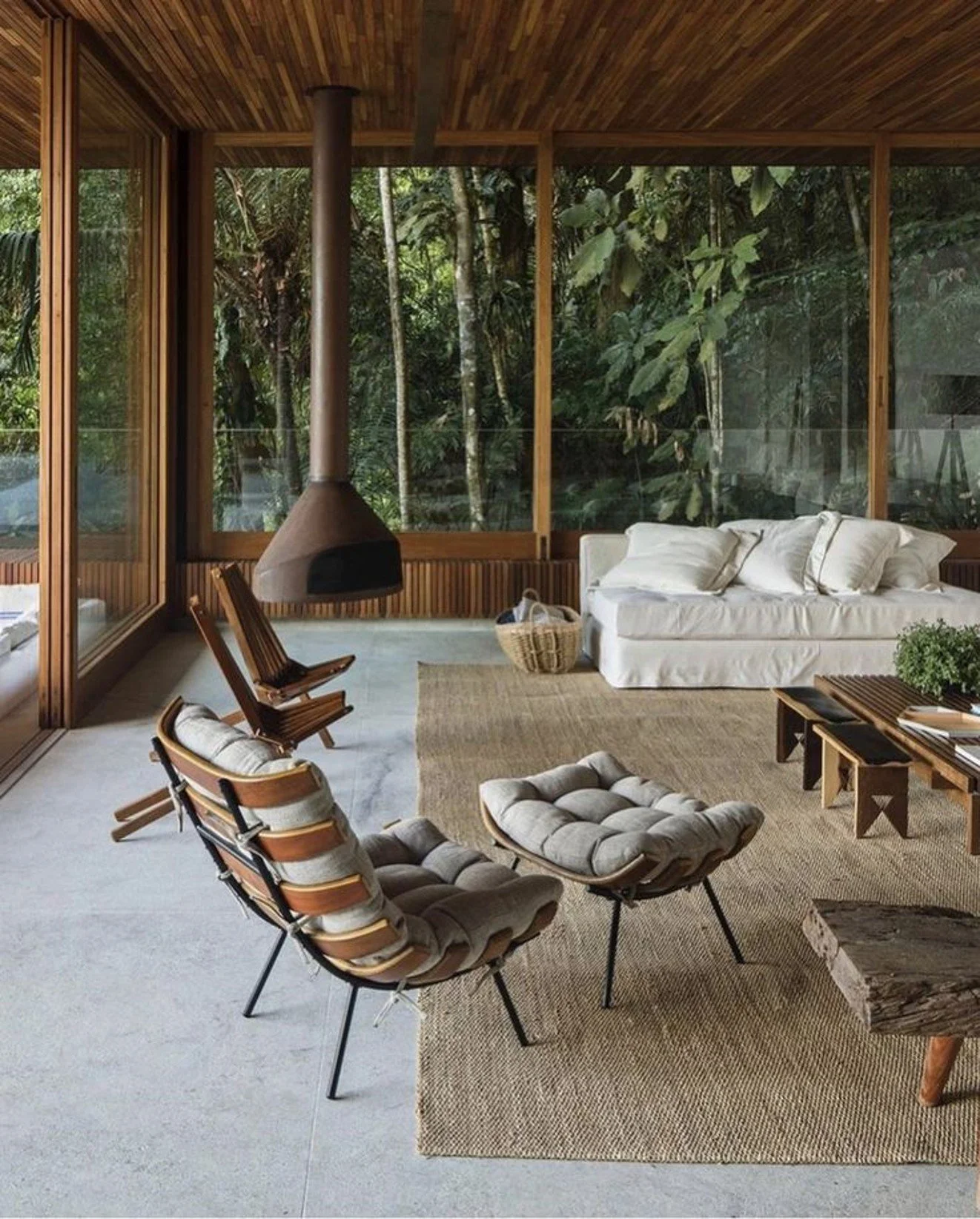
Interior designers focus on the look, feel, and functionality of the spaces within a building. Their role is about creating environments that reflect the client’s personality, needs, and lifestyle. Interior designers handle:
Space planning and interior layouts.
Choosing materials, colors, furnishings, and decor.
Enhancing lighting, acoustics, and ergonomics.
Creating spaces that are both beautiful and practical.
Interior designers often take the architect’s framework and transform it into a space that feels cohesive, personal, and functional. Depending on the project, they may also collaborate with the architect on finishes like paint, flooring, and tile or work independently on renovations or existing spaces.
Interior Architecture: The Bridge Between Both Fields
Interior architecture is a specialized field that merges architecture’s technical expertise with interior design’s creativity. Interior architects focus on reimagining interior spaces while ensuring structural integrity. They:
Remodel interiors to improve flow, usability, and light.
Understand building codes and work closely with engineers.
Draft detailed plans that merge aesthetics with technical precision.
This discipline is ideal for projects requiring both architectural modifications and interior redesign, such as large-scale renovations or historic restorations.
Key Differences Between Architecture and Interior Design
While architects and interior designers often collaborate, they have distinct focuses:
Scope: Architects design the building structure and layout; interior designers focus on creating functional and visually pleasing interior spaces.
Training: Architects require a degree, extensive technical training, and licensing. Interior designers benefit from formal education but focus more on aesthetic and functional aspects of spaces.
Goals: Architects create the framework of the building; interior designers bring personality, comfort, and livability to the spaces inside.
Why Collaboration Matters
When architects and interior designers work together, the results can be transformative. Architects provide the structural vision, while interior designers ensure the spaces support and enhance how you live, work, or relax. The collaboration creates layers of design that are both functional and inspiring.
By bringing these two disciplines together, you ensure your project is cohesive, intentional, and elevated to its fullest potential. Whether you’re starting from the ground up or reimagining an existing space, the combined expertise of an architect and an interior designer can make your vision a reality.