What is Biophilic Design?
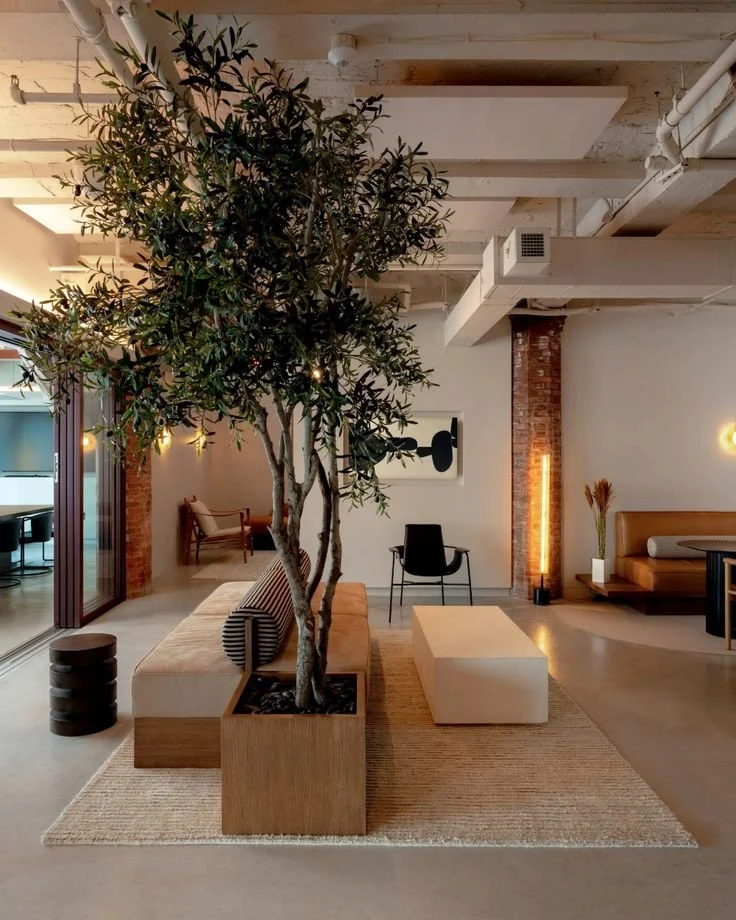
Biophilic Design has become a buzzword in architecture and interiors, but at its heart, it’s much more than a trend. It’s an approach to design that reconnects us to nature, enhancing our well-being, creativity, and sense of place.
At Blur, we don’t just do Biophilic Design—we incorporate its principles into our work where it feels natural and meaningful. This isn’t a one-size-fits-all approach; it’s personal, intentional, and tailored to you and your space. It’s not about throwing in a few plants and calling it a day—it’s about crafting environments that resonate deeply with our innate connection to nature.
The Heart of Biophilic Design
The term biophilia was popularized by Edward O. Wilson, who argued that humans are biologically hardwired to thrive in natural environments. Yale professor Stephen Kellert built on this concept, outlining six principles of Biophilic Design. These principles guide us in creating spaces that don’t just shelter us but inspire creativity, reduce stress, and promote well-being.
When we design with biophilic principles, we’re creating more than buildings—we’re shaping experiences that align with how we’ve evolved to live.
Why Does Biophilic Design Matter?
In a world dominated by concrete jungles and screens, our disconnection from nature can have real consequences. Studies have shown that even small touches—natural light, textured materials, or a view of greenery—can improve health, reduce stress, and boost creativity.
Biophilic Design benefits:
Physical Health: Natural light and air improve sleep, energy, and overall vitality.
Mental Health: Views of nature and natural materials reduce stress and foster a sense of calm.
Community: Thoughtful design fosters connection, creating inviting spaces that bring people together.
How We Bring Biophilic Design to Life
Biophilic Design is more than just aesthetics—it’s about creating harmony between built spaces and the natural world. Here’s how we integrate its principles into our designs:
1. Environmental Features
This is the most straightforward principle—bringing nature into your space. Think water features, indoor gardens, sunlight-filled rooms, and natural materials like stone or wood. Whether it’s a lush green wall or subtle touches like ivy trailing along a pergola, these elements ground us in the natural world.
2. Natural Shapes and Forms
This principle brings organic, nature-inspired forms into design. Curved furniture, botanical motifs in wallpaper, or patterns mimicking leaves and flowers can add a sense of flow and connection. It’s about capturing the beauty of nature in the details.
3. Natural Patterns and Processes
Nature isn’t static, and neither are our designs. We consider light and shadow throughout the day, textures that age beautifully (hello, patina!), and layered details that engage the senses. Think of the warmth of sunlight on a textured plaster wall or the way a room evolves with the changing seasons.
4. Light and Space
Light is everything. From designing spaces that maximize natural light to layering artificial lighting that mimics natural rhythms, we use light to create environments that feel alive and in tune with the day. It’s not just about brightness—it’s about warmth, softness, and how light interacts with materials.
5. Place-Based Relationships
This is where Biophilic Design becomes deeply personal. Every site has its own story—its geography, culture, and history. We tap into this, using local materials and forms that honor the spirit of the place. A home in the mountains will feel connected to its environment in a completely different way than a beach house.
6. Evolved Human-Nature Relationships
Finally, we zoom out to the big picture: how our spaces connect us to deeper instincts like curiosity, security, and exploration. The goal is to create designs that feel right—a balance of awe, comfort, and beauty that taps into something primal.
Biophilic Design in Action
At Blur, incorporating Biophilic Design isn’t a checklist—it’s a mindset. Every project is an opportunity to create spaces that don’t just look beautiful but also feel good to live in. By integrating these principles, we craft environments that are rich in texture, light, and meaning.
Imagine a dining room where sunlight filters through sheer curtains, bouncing off a textured wall. Or a cozy reading nook tucked by a window overlooking a garden. These moments are what Biophilic Design is all about—connecting us to nature in ways that feel effortless and personal.
It’s About You
Biophilic Design is as much about you as it is about nature. It’s about understanding how you live, what inspires you, and how you want to feel in your space. Whether it’s incorporating lush greenery, designing for natural light, or choosing materials that feel authentic, the result is a space that resonates deeply with your life.
At Blur, we design spaces that go beyond aesthetics. We create environments that reflect who you are, support your well-being, and connect you to the natural world in ways that are as personal as they are timeless.
Let’s make something beautiful—together.