What is Landscape Architecture?
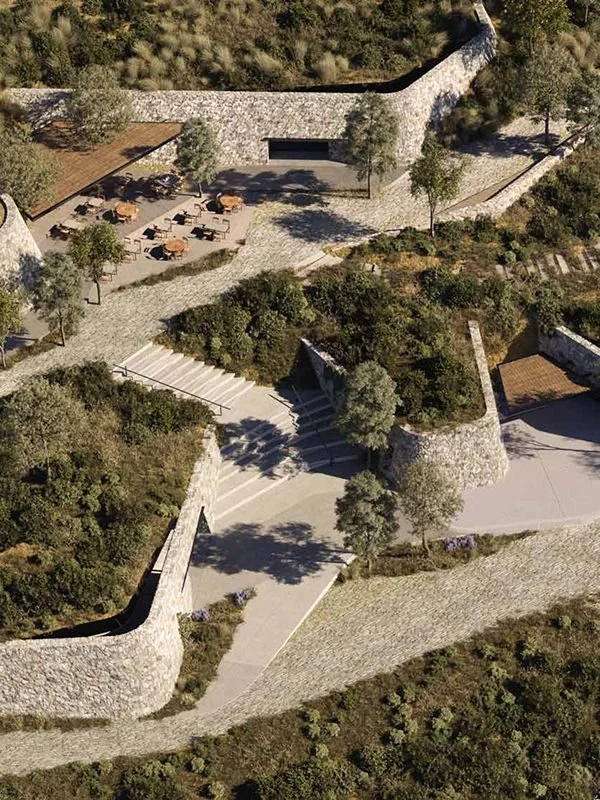
The Role of Landscape Architecture: Connecting Nature and Design
In great design, the landscape and the building are inseparable. The way a garden frames a home, the view of the outdoors from a window, or even the sound of water flowing nearby all contribute to how we experience a space. When done thoughtfully, landscape architecture transforms a building into something much more—it creates a complete environment that feels harmonious, intentional, and alive.
What is Landscape Architecture?
Landscape architecture is the art and science of designing outdoor spaces. It’s about weaving the natural world into built environments, from small gardens to sprawling parks. A good landscape doesn’t just look beautiful; it enhances how we live, work, and connect with the world around us.
At its core, landscape architecture balances function, aesthetics, and environmental stewardship. It involves everything from selecting plantings and designing water features to managing stormwater and integrating sustainable materials.
For us at Blur, landscape design is an essential part of creating spaces that feel complete. It’s also a key component of our wellness-focused design philosophy, as it brings biophilic elements into every project, grounding our designs in nature.
Why is Landscape Architecture Important?
Picture any iconic building—its setting is just as memorable as the structure itself. A tree-lined driveway can create an unforgettable first impression. A garden viewed from a dining room window can add tranquility to daily life. And the sound of a bubbling fountain can make a space feel alive.
Landscape architecture doesn’t just enhance beauty; it contributes to:
Environmental Sustainability: Thoughtful plantings improve air quality, promote biodiversity, and help manage stormwater.
Psychological Well-being: Green spaces reduce stress, boost creativity, and encourage mindfulness.
Community Connection: Parks and gardens foster interaction, relaxation, and a sense of belonging.
Functionality: From grading land to protect a foundation to creating outdoor rooms for gathering, landscapes support the practical needs of a site.
The Intersection of Landscape and Architecture
Landscape and architecture don’t exist in isolation—they are intertwined. A well-designed landscape enhances a building, while a thoughtfully placed structure respects and complements its natural surroundings. This connection begins early in the design process.
Here’s how they work together:
Site Considerations: The natural topography, climate, and existing features of the site influence the placement and orientation of buildings.
Material Harmony: The materials of the landscape—like stone pathways or wood pergolas—are chosen to complement the building’s design.
Framed Views: Every window becomes a canvas, with the landscape providing a dynamic, living backdrop.
Water Management: Landscaping handles drainage, stormwater, and irrigation in ways that protect the building and the environment.
When the architecture and landscape are designed as one, the result is a seamless experience that feels both intentional and natural.
Types of Landscape Architecture Projects
Landscape architecture encompasses a wide range of projects, each with its own goals and challenges:
Residential Landscapes: Gardens, courtyards, and outdoor living spaces that feel like an extension of the home. These spaces blend functionality (like proper drainage and usable seating areas) with aesthetics and comfort.
Public Parks and Green Spaces: Creating places for recreation, gathering, and connection within a community.
Urban Design: Green roofs, tree-lined streets, and urban parks bring nature into cities, cooling them down and making them more livable.
Ecological Restoration: Rehabilitating damaged environments by reintroducing native plants, improving soil health, and supporting biodiversity.
Commercial Spaces: Outdoor environments that reflect a brand’s identity while offering functional areas for clients and employees to enjoy.
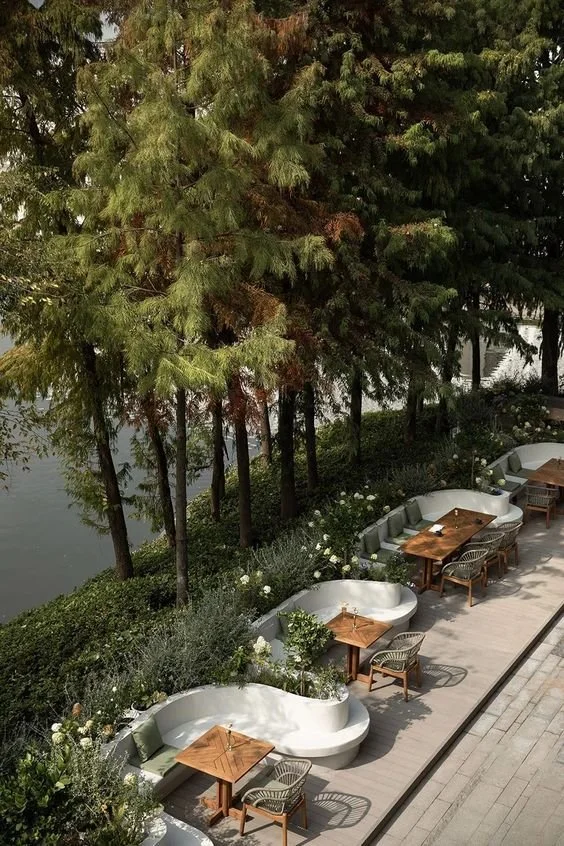
The Role of Landscape Architects
Landscape architects are more than designers—they’re problem-solvers, environmental stewards, and collaborators. They work closely with architects, engineers, and contractors to ensure that the outdoor spaces they design function beautifully and sustainably.
Here’s what they do:
Design and Plan: Create layouts that balance natural and built elements.
Environmental Stewardship: Incorporate sustainable practices like rain gardens, permeable paving, and native plantings.
Community Development: Design spaces that encourage interaction, play, and relaxation.
Technical Expertise: Navigate zoning laws, building codes, and site challenges to bring projects to life.
Elements of Landscape Architecture
Creating a successful landscape involves many elements, all working together to shape the experience:
Plantings: Trees, shrubs, and flowers add beauty, shade, and seasonal interest while supporting local ecosystems.
Water Features: Fountains, ponds, and waterfalls create a sense of tranquility and can aid in water management.
Hardscapes: Walkways, patios, and walls provide structure and usability.
Lighting: Thoughtful lighting highlights key features and ensures safety after dark.
Furniture and Amenities: Benches, tables, and other features make outdoor spaces more inviting and functional.
Why It Matters
Landscape architecture goes beyond aesthetics. It’s about creating spaces that connect us to nature, improve our health, and make our lives richer. Whether it’s a cozy backyard garden or a citywide green space, thoughtful landscape design brings depth and vitality to our surroundings.
At Blur, we believe that the best designs aren’t just seen—they’re felt. That’s why we work to integrate landscape and architecture into a unified whole, crafting spaces that grow and evolve beautifully over time.
Let’s create something that resonates—inside and out.