When to Hire an Interior Designer for a New Build or Major Renovation
By Rebecca Rhodes (formerly, Wieronski), Founder and Creative Director of Blur Designs
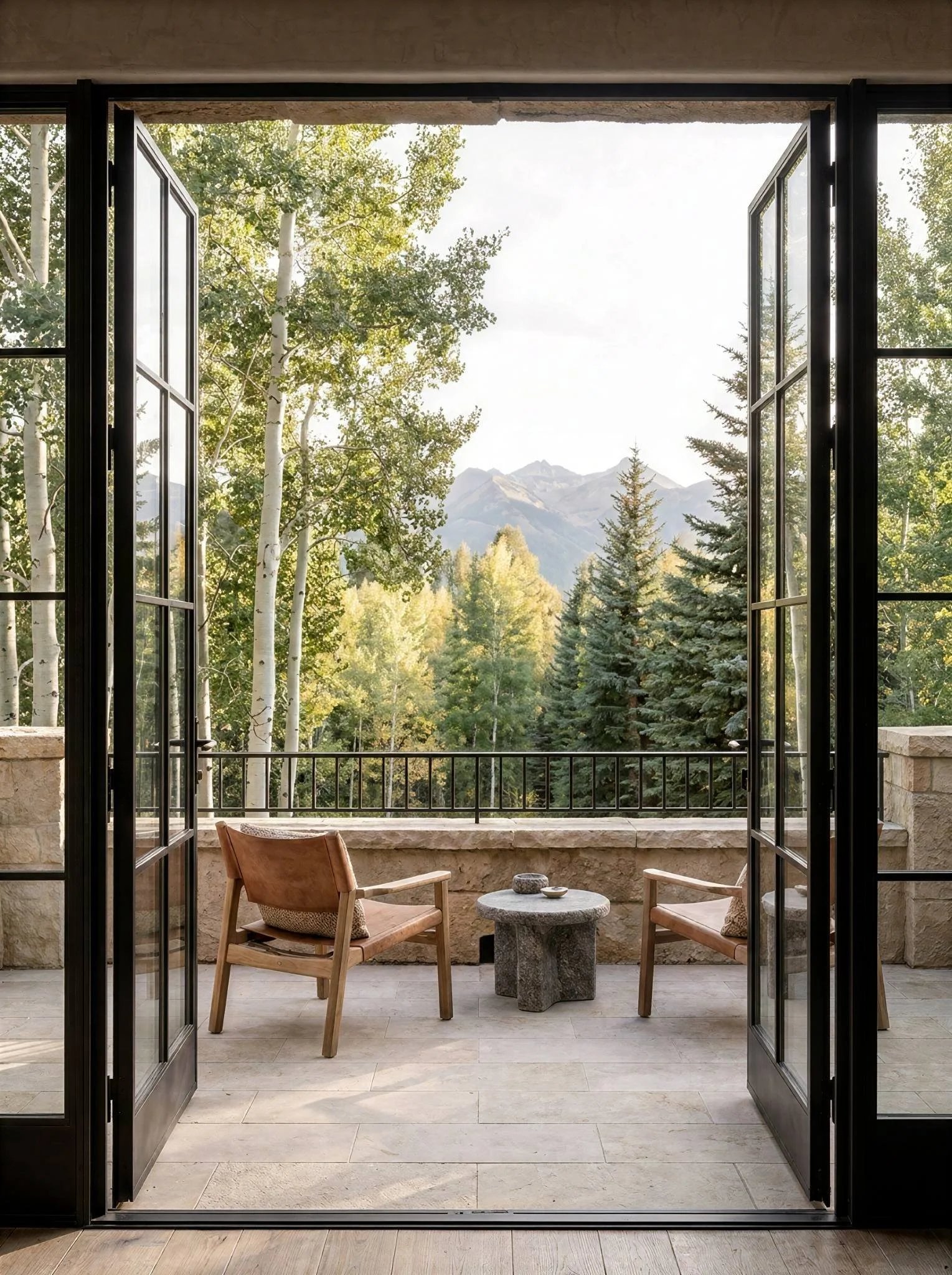
Hawthorne House by Blur Designs
For a custom home or substantial renovation, I recommend bringing an interior designer into the team while the architectural plans are still taking shape. That is when room layouts, lighting, materials, and furnishings can be considered together.
A dining table influences the proportions and circulation of a dining room. A furniture plan helps establish where lighting and outlets belong. The depth of a window treatment affects how it meets the surrounding architecture.
These are useful conversations to have while decisions are still open.
I spent a decade working within architecture firms before founding Blur. That experience shaped how I approach a home: architecture, interior details, and furnishings are developed through collaboration from the outset.
For a new build, start during architectural planning
As you assemble your project team, include the interior designer in those early conversations.
The architect develops the building’s architecture, the interior designer brings detailed attention to how its spaces will function and feel, and the builder contributes construction and cost expertise. Defining responsibilities early helps the team coordinate its work.
At this stage, we consider how you intend to use each room, what furniture it needs to accommodate, and how the interiors relate to the architecture. A library, a generous dining room, or a kitchen designed around entertaining each asks something different of the plan.
Early involvement gives those needs a place in the drawings.
For a major renovation, begin before construction
An existing home brings its own questions. What should stay? What needs to change? Which architectural details give the property its character?
We begin by understanding the home and the scope you have in mind. Interior layouts, finish selections, cabinetry, lighting, and furnishings are then developed with the project team.
At Blur, our Groundwork phase establishes scope and investment expectations, with builder input on cost direction. This helps clients understand the work they are considering before committing to the full design.
Plan furnishings alongside the interiors
Furnishings deserve attention early, even when purchasing happens later.
The size of a sofa affects circulation. A dining arrangement informs the placement of a pendant. An important painting needs an appropriate wall, lighting, and enough room to be experienced.
We also discuss existing pieces you want to keep. An antique cabinet or a collection of art can become a meaningful starting point for the design.
Considering these elements during planning helps the finished home feel connected from its architectural details through its final installation.
What this looks like at Fox Ridge Ranch
At Fox Ridge Ranch, a renovation in Boulder County with Sopher Sparn Architects, Blur’s scope includes full-service interior design, custom millwork, and furnishings. The project is currently under construction.
A scope like this involves many connected decisions. Millwork needs to accommodate the way a room will be furnished and used. Lighting relates to both the architecture and the objects within it. Materials need to work together across adjoining spaces.
That coordination is a substantial part of the design work.
What to bring to the first conversation
An initial inquiry can begin with:
The property location and any available drawings
An outline of the work you are considering
Your architect and builder, if already selected
Your investment expectations and hoped-for schedule
A few references that help explain your preferences
We use that information to discuss the project, the services it needs, and how our involvement could fit into the team.
If your plans are already underway
Bring the current drawings and schedule to the conversation. We can review what has been decided, what remains open, and where our involvement would be most useful.
For an Aspen home, a Boulder renovation, or a residence elsewhere, the starting point is the same: understanding your home, your priorities, and the people bringing it to life.